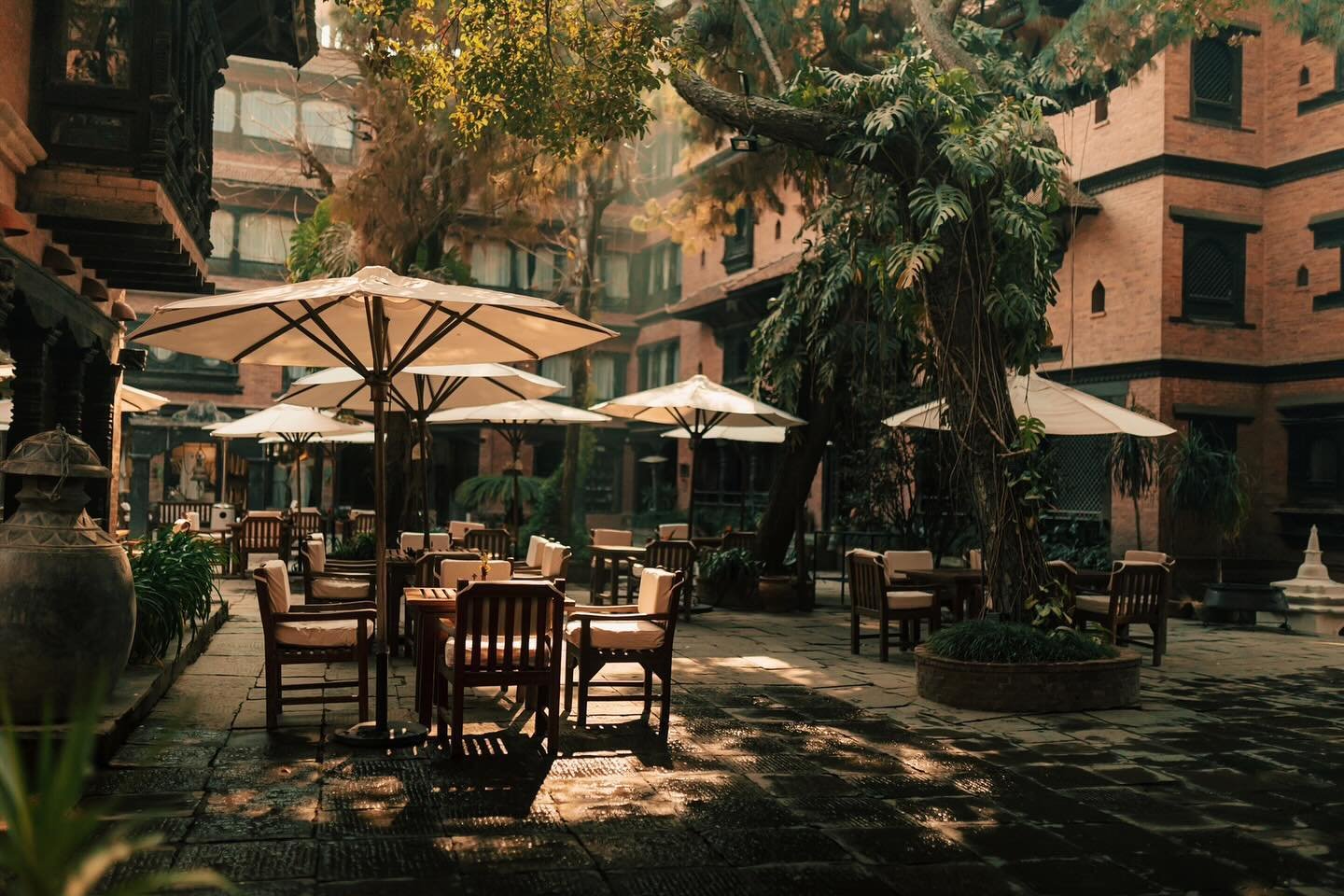
Discover Krishnarpan Restaurant in Kathmandu
Krishnarpan is one of Kathmandu's distinctive destinations for experiencing traditional Nepali cuisine in a fine-dining setting. Located within The Dwarika's, a heritage hotel known for its traditional Newari architecture and woodcarving, the restaurant combines Nepalese hospitality, cultural presentation and carefully prepared regional dishes.
The name Krishnarpan evokes the idea of an offering to Krishna, reflecting the restaurant's ceremonial approach to dining. Rather than serving a conventional meal of a single starter and main course, Krishnarpan invites guests to experience Nepali food through an extended tasting menu. Each course introduces different ingredients, regional influences and cooking traditions.
For visitors interested in Nepal's culture, the experience goes beyond food. Traditional tableware, thoughtful service and the restaurant's heritage-inspired surroundings create an atmosphere that connects dining with the country's history and craftsmanship.
A Multi-Course Journey Through Nepali Cuisine
The central feature of Krishnarpan is its multi-course tasting menu. Guests can select from different menu lengths, with options commonly including six, nine, twelve and twenty-two courses. Exact choices may vary, so confirm the available menus when reserving.
Each tasting menu is designed to showcase the diversity of Nepalese food. The country's geography stretches from the lowland Terai to the middle hills and the high Himalayas, producing different ingredients, cooking methods and food traditions.
Depending on the season and selected menu, diners may encounter lentils, grains, locally grown greens, regional vegetables, dairy products, meat and preparations inspired by different parts of Nepal. Himalayan ingredients and traditional recipes help tell the story of how food changes across the country.
The longer menus allow guests to explore a broader range of flavours, while a shorter tasting menu can be more suitable for travellers with limited time or a smaller appetite.
Traditional Presentation and Heritage Architecture
Krishnarpan's atmosphere is an important part of the overall experience. The restaurant sits within The Dwarika's, whose traditional Newari architectural elements, carved timber details and heritage-inspired interiors reflect Nepal's artistic traditions.
Food is presented using traditional-style brass vessels and other culturally inspired tableware. This presentation helps connect the meal with Nepalese dining customs and gives the tasting experience a distinctive identity.
The restaurant is particularly appealing to travellers who appreciate cultural experiences, historic architecture and carefully presented food. It is also suitable for couples, special celebrations and visitors who want to mark a trip to Kathmandu with a memorable dinner.
Regional Ingredients and Traditional Flavours
Nepali cuisine is varied, with influences from geography, climate, communities and local agricultural traditions. Krishnarpan uses its tasting-menu format to highlight this variety.
Lentils and rice are central to many Nepali meals, while buckwheat, millet, maize and other grains are important in different regions. Fermented leafy greens, local dairy products, aromatic spices and seasonal vegetables also contribute to the country's culinary identity.
Depending on the menu, visitors may discover dishes inspired by Himalayan communities, the Kathmandu Valley and the Terai region. These flavours provide an introduction to Nepalese food beyond the familiar dishes found in everyday restaurants.
Because the restaurant follows a seasonal approach, the exact ingredients and preparations may change. Guests should ask the team about the day's menu and the regional background of each course.
Vegetarian and Dietary Options
Krishnarpan can accommodate vegetarian and other dietary requirements, subject to advance arrangement and confirmation. Vegetarian diners may be able to enjoy a dedicated tasting menu, while vegan and other dietary preferences should be discussed directly with the restaurant before booking.
If you have food allergies, intolerances or religious dietary requirements, communicate them clearly during the reservation process. A multi-course meal can contain a variety of ingredients, sauces and garnishes, so it is important to confirm each requirement in advance.
Planning Your Krishnarpan Dining Experience
Krishnarpan is located on Battisputali Road in Kathmandu, within The Dwarika's. The restaurant's published dinner hours are 6:00 PM–10:00 PM, and advance reservations are required.
Allow approximately two to three hours for a relaxed tasting-menu experience, especially if choosing one of the longer menus. When booking, confirm the course options, total price, dietary accommodations, seating preferences and whether any special arrangements are available.
Krishnarpan is best suited to travellers who want to explore Nepalese cuisine in depth rather than simply enjoy a quick meal. It can be a highlight of a Kathmandu itinerary for food lovers, cultural travellers and visitors celebrating a special occasion.
Frequently Asked Questions
1. Where is Krishnarpan Restaurant located?
Krishnarpan is located inside The Dwarika's in Battisputali, Kathmandu, Nepal. Its location makes it convenient for travellers staying in the city who want to explore traditional Nepali cuisine in a heritage-inspired setting. Arrange transport in advance if you are visiting from another part of Kathmandu, particularly for an evening reservation.
2. What type of cuisine does Krishnarpan serve?
Krishnarpan specialises in Nepali fine dining, with a focus on regional dishes, traditional recipes and seasonal ingredients. Its tasting menus introduce diners to flavours associated with different parts of Nepal, including the Himalayan region, the middle hills and the Terai plains. The precise dishes depend on the selected menu and season.
3. What makes Krishnarpan different from other Kathmandu restaurants?
Krishnarpan focuses on a ceremonial multi-course meal rather than a conventional à la carte dining experience. Its tasting menus, traditional brass tableware, cultural presentation and heritage surroundings distinguish it from many other restaurants in Kathmandu. The experience is designed to introduce guests to Nepal's culinary diversity through a sequence of carefully presented courses.
4. How many courses are available at Krishnarpan?
Krishnarpan offers different tasting-menu lengths, commonly including six, nine, twelve and twenty-two courses, although the exact options may vary. Shorter menus provide an introduction to the restaurant's culinary style, while longer menus explore a wider range of regional ingredients and preparations. Confirm the available courses when making your reservation.
5. What dishes should visitors expect at Krishnarpan?
Rather than relying on one fixed signature dish, visitors should expect a sequence of preparations that reflect Nepal's regional food traditions. Depending on the menu, courses may feature lentils, grains, seasonal vegetables, greens, local dairy products, meat or regional specialities. Ask the restaurant about current menu highlights before choosing your tasting experience.
6. Is Krishnarpan suitable for vegetarians?
Yes, vegetarian dining options are available, subject to confirmation of the current menu. A dedicated vegetarian tasting experience may be offered, allowing guests to explore Nepalese ingredients and cooking traditions without meat. Mention your requirements when reserving, and confirm whether stocks, sauces, dairy products or other ingredients meet your dietary preferences.
7. Can vegan diners eat at Krishnarpan?
Vegan options may be available by prior arrangement. Since a multi-course menu can include dairy, butter, yoghurt, ghee or other animal-derived ingredients, vegan diners should explain their requirements clearly when booking. Ask the restaurant to confirm whether it can provide a fully vegan tasting menu and manage cross-contact concerns.
8. How much does dining at Krishnarpan cost?
Krishnarpan is a premium fine-dining restaurant, and the cost depends on the tasting-menu length, beverages and any additional arrangements. A preliminary planning budget is approximately US$60–120 per person, but this is not a verified current price. Confirm the restaurant's latest menu pricing and any applicable taxes or service charges before booking.
9. Do visitors need a reservation at Krishnarpan?
Yes. The restaurant's published information states that reservations are required. Booking in advance helps the team prepare the selected tasting menu and accommodate dietary requirements. It is especially important for longer menus, groups, special occasions and visitors who prefer particular seating arrangements.
10. What are the opening hours of Krishnarpan?
The restaurant's published dinner hours are 6:00 PM–10:00 PM. Because advance reservations are required and dining arrangements can vary, confirm your booking time directly before travelling. If you are planning a longer tasting menu, ask how much time to allow so that your evening schedule remains comfortable.
11. How long does a meal at Krishnarpan take?
Allow approximately two to three hours for a relaxed meal, especially if choosing a longer tasting menu. Each course is part of a broader culinary experience, so the meal is generally better enjoyed without rushing. If you have a flight, show or other commitment, tell the restaurant when booking and ask which menu length is suitable.
12. Is Krishnarpan a good choice for a special occasion?
Krishnarpan can be an excellent choice for anniversaries, birthdays, romantic dinners and other memorable occasions. Its heritage-inspired setting, ceremonial presentation and multi-course menu make the meal feel different from an everyday restaurant visit. Contact the restaurant in advance to ask about celebration arrangements, seating and any special requests.
13. Is Krishnarpan suitable for international tourists?
Yes. The tasting-menu format gives international visitors an organised introduction to Nepal's culinary traditions, including ingredients and regional preparations they may not encounter elsewhere. The restaurant's setting and service also make it appealing to travellers interested in Nepalese culture. Asking staff to explain each course can make the experience more informative.
14. What should visitors wear to Krishnarpan?
Smart-casual clothing is a sensible choice for this premium dining experience. Visitors celebrating a special occasion may prefer a more formal outfit, although the restaurant should be contacted if you need guidance about its dress expectations. Comfortable clothing is particularly useful if you are planning a long tasting menu and several hours at the table.
15. Can guests choose their seating style?
Seating arrangements may vary, and some traditional dining areas can have lower seating, while conventional chair seating may also be available in limited quantities. If you have mobility needs, back discomfort or a strong seating preference, mention it during the reservation process and request confirmation before arriving.
Nepali fine dining: A restaurant dedicated to showcasing the country's culinary heritage.
Multi-course tasting menus: Different course lengths provide varying levels of exploration.
Regional culinary traditions: Flavours and ingredients inspired by Nepal's mountains, hills and plains.
Traditional brass presentation: Culturally inspired tableware enhances the dining experience.
Heritage surroundings: Located within The Dwarika's, known for its Newari architectural details.
Seasonal ingredients: Menus reflect local produce and changing availability.
Vegetarian accommodations: Options may be available with advance notice.
Special occasions: An appealing choice for celebrations and memorable travel experiences.
Krishnarpan uses a multi-course tasting-menu format rather than relying on one fixed list of à la carte dishes. Menu availability and ingredients vary, so confirm the current selection before booking.
Six-course Nepali tasting menu
Nine-course tasting menu, subject to availability
Twelve-course Nepali tasting menu
Twenty-two-course extended tasting experience, subject to availability
Traditional lentil and grain preparations
Seasonal vegetables and regional greens
Himalayan-inspired ingredients and specialities
Dishes reflecting Kathmandu Valley culinary traditions
Preparations inspired by Nepal's Terai region
Vegetarian tasting options, subject to confirmation
Vegan and other dietary accommodations by advance arrangement
Nepali beverages and non-alcoholic pairing options
By taxi: A taxi or ride arranged through your hotel is a convenient option for reaching The Dwarika's.
By private vehicle: Follow directions to The Dwarika's on Battisputali Road and confirm parking arrangements with the hotel.
From central Kathmandu: Allow extra time for traffic, particularly during busy evening periods.
From Tribhuvan International Airport: The restaurant is in Kathmandu's city area; check current traffic conditions when planning your transfer.
For return travel: Arrange transport in advance if your hotel is in another neighbourhood.
For groups: Confirm arrival and parking arrangements when reserving.
For accessibility: Contact the restaurant about entrance access and seating requirements before visiting.
Nepali tasting menu: Choose a multi-course option to explore a variety of regional flavours.
Traditional lentil preparations: Ask about lentil dishes and how they fit into the selected menu.
Himalayan ingredients: Look for seasonal dishes featuring regional grains, dairy products or other mountain ingredients.
Kathmandu Valley specialities: Ask whether the current menu includes dishes inspired by Newari food traditions.
Terai-inspired courses: Explore preparations that reflect the food culture of Nepal's southern lowlands.
Seasonal vegetables and greens: These can provide insight into local produce and traditional cooking.
Vegetarian tasting menu: A good option for diners who want a plant-focused introduction to Nepali cuisine, subject to availability.
Nepali beverages: Ask the team about beverage pairings, including non-alcoholic options.
Battisputali: The most convenient area for visitors who want to stay close to The Dwarika's and reduce travel time for dinner.
Gaushala: A practical area for access to Pashupatinath Temple and parts of eastern Kathmandu.
Thamel: Popular with international travellers for hotels, restaurants, shops and travel services.
Boudha: Suitable for visitors interested in Buddhist heritage, monasteries and the Boudhanath Stupa area.
Durbar Marg: An option for travellers seeking centrally located hotels, shopping and dining.
Pashupatinath area: Useful for visitors planning a broader cultural itinerary around the temple and surrounding neighbourhoods.
Pashupatinath Temple: One of Nepal's most important Hindu pilgrimage sites, located on the banks of the Bagmati River.
Boudhanath Stupa: A major Buddhist heritage site known for its large white dome, prayer flags and surrounding monasteries.
Garden of Dreams: A restored historic garden in central Kathmandu, suitable for a quiet break from city sightseeing.
Kathmandu Durbar Square: A historic urban complex featuring traditional architecture, courtyards and important cultural landmarks.
Thamel: A lively neighbourhood with shops, cafés, restaurants and travel services.
Patan Durbar Square: A historic area known for Newari architecture, temples, courtyards and traditional craftsmanship.
Use a reliable taxi or transport service, especially when travelling after dinner.
Allow extra time for Kathmandu traffic and avoid scheduling another activity too close to your reservation.
Inform the restaurant of food allergies and dietary restrictions before the meal.
Confirm ingredients in sauces, stocks and garnishes if you have a serious allergy.
If you have mobility concerns, request suitable seating in advance.
Keep personal belongings secure in busy public areas.
Carry some local currency for incidental expenses, even if you plan to pay by card.
Follow local customs when visiting nearby religious sites, including any clothing and photography rules.